

About the reviewer: Ian Ebbs has tested Mercurial generations spanning more than two decades, from the early Vapor era through to the latest Vapor 17. As an amateur midfielder and founder of FootballBoots.co.uk, he has spent years comparing how Mercurials evolve rather than simply reviewing them in isolation.
Quick Verdict
The Vapor 17 is the most focused Nike speed boot in years. It does not try to help you run. It simply removes everything between your foot and the decision to attack.
That instant separation is exactly what strikers look for in behind a defensive line, see our best boots for strikers guide for how it compares to other finishing-focused options.
For players who want to create separation instantly, it is one of the best boots available in 2026.
For players who want comfort, cushioning, or the reassurance of a more substantial upper, look elsewhere.
That close, low-volume fit comes from a deliberately narrow last, if your feet are narrow rather than wide, that snugness is exactly what our narrow feet boots guide is built around.
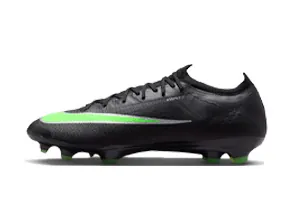
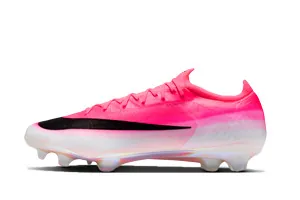
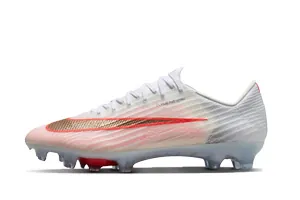
Current Vapor 17 Elite Colourways
Newest releases first.
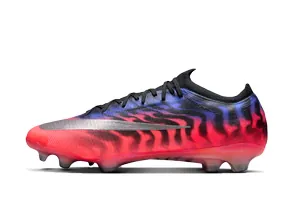
Scorpion
Check stock↗Inspired by the 2002 Secret Tournament; Vini wears the Vapor while Mbappe gets the Superfly

Nike By You
Design yours↗Build your own Vapor pair with a custom design & personalisation.
The Vapor is a football boot line designed and produced by Nike. FootballBoots.co.uk is an independent, unaffiliated review site, and all opinions in this review are our own. This page contains affiliate links, which may earn us a commission if you choose to purchase, but this does not influence our reviews.
| Football Identity | Creating separation |
|---|---|
| Best For | Explosive winger, dynamic attacking midfielder, high-tempo/direct attacking football |
| Fit | Average width at best, with a bit of a give and rounded toe compared to classic Mercurials. True-to-size. |
| Main Strength | Lightest Mercurial with direct, raw ball contact sensation |
| Main Weakness | Not the most protective of football boots and might be too snug for some |
| Closest Alternative | adidas F50 EVO; both commit to lightweightedness; EVO lighter but Vapor more structurally sound |
The Vapor Football DNA
Identity
For players who need to get away from the defender quick. The Vapor assists you to create that separation in an instant.
Football Problem It Solves
How do I beat my defender and receive the ball in space?
Best Match Moments
- Bursting onto a through pass
- Accelerating after a quick one-two
- Instantly accelerate past the pressing midfielder
- Cutting inside to shoot
- Pressing passing lanes in high defensive setups
FootballBoots Verdict
Buy the Vapor if
- You have an explosive first step
- You prefer a lightweight yet responsive boot
- You have narrow to average width
- You want a direct ball touch/li>
Think twice if
- You want more ball grip
- You like a relaxed fit and/or a comfortable wrap
- You prefer/play in a low-tempo game



“For many years I’ve played with Mercurial exclusively — and even scored a goal in two Champions League finals.”

“In the Mercurial, I feel that extra bit of speed because it’s light.”
The featherweight Atomknit upper and FlyLite plate let him accelerate instantly after a feint, built exactly for the kind of explosive 1v1s that define his game.
His constant stop-start movement benefits from the Vapor’s low weight and chevron stud layout, allowing rapid deceleration and explosive re-acceleration after every body feint.
The Vapor’s lightweight feel and close touch help him execute quick turns, glide away from pressure, and create shooting or passing angles with minimal effort.
Any high-intensity, attack-minded system that creates frequent 1v1 opportunities for wingers and forwards, values quick transitions and aggressive pressing, and encourages players to attack space with explosive first steps rather than relying on patient possession.
Latest Vapor has a slight give, but still respects the traditional snug profile of the Mercurial silo.
| Situation | Rating | What You Notice |
|---|---|---|
| Acceleration | 10/10 | This is what the Vapor is built for. The lightweight Atomknit upper and FlyLite soleplate make explosive first steps and repeated bursts feel effortless. |
| Attacking Space | 10/10 | The Vapor rewards players who attack gaps before the ball arrives. Timing runs behind the defence feels natural thanks to its responsive, speed-focused design. |
| 1v1 Dribbling | 9.5/10 | The barefoot touch and lightweight construction encourage quick feints, rapid footwork and explosive changes of pace against defenders. |
| High Pressing | 9.5/10 | Repeated sprints, pressing triggers and defensive recoveries feel less demanding thanks to the boot’s low weight and secure lockdown. |
| Receiving on the Move | 9/10 | The thin Atomknit upper provides a direct touch when controlling the ball at pace, allowing you to take your first touch straight into your next sprint. |
| Combination Play | 8.5/10 | Quick one-touch football feels clean and natural, although the Vapor prioritises speed over the extra grip and control offered by boots like the Phantom. |
| Long Passing | 8/10 | The clean striking surface delivers a crisp connection, but it lacks the dedicated striking elements found on more control-oriented boots. |
| Shooting | 8/10 | The barefoot sensation creates an honest strike on the ball, though players looking for extra grip, power or spin assistance may prefer the Predator or Phantom. |
| Hold-up Play | 7/10 | The minimalist upper isn’t designed for shielding defenders or physical battles. Strong target forwards will usually be better served by a more structured boot. |

What It’s Like In Actual Game Situations
The moment that clarified what the Vapor 17 was trying to do came during a 7-a-side game. Receiving the ball near halfway, with a defender stepping forward, the instinctive response was to knock the ball into the channel. The boot did not make the decision faster. It simply did not get in the way. The connection between thought and movement felt immediate.
That is the experience the Vapor 17 is designed around.
When attacking a defender 1v1, the Vapor feels at its best. When a full-back squares up and shifts weight slightly onto their lead leg, the lightweight upper and low-profile soleplate make it easy to explode into the space before they can recover. There is almost nothing delaying the connection between intention and action.
When receiving on the half-turn and driving into space, the Vapor is particularly natural. With the Phantom, the focus shifts to controlling the ball. With the Vapor, the focus is on where the ball goes next. Some of the best moments in testing came from half-turn receptions immediately turned into driving runs into open space. The boot encourages that mentality.
When receiving near the touchline and cutting infield, the thin upper and rounded stud profile made quick directional changes feel effortless. The combination of minimal material above and close-to-ground traction below created a responsiveness that heavier boots do not replicate.
On acceleration, the biggest surprise was not top speed. It was the first five metres. The Vapor feels immediately eager to move. Every acceleration from standing feels sharper than expected. That quality is partly weight, partly the Flylite plate, and partly the absence of anything absorbing energy underfoot.
Late in matches, there is something worth noting. The Vapor never feels like it is helping you run. Unlike the Superfly with its Zoom-loaded sensation, the Vapor simply disappears. If the Superfly feels like a performance tool, the Vapor feels like an extension of your foot. Whether that is a strength or a weakness depends on the player wearing it.


The first thing you’ll notice is how little there is between your foot and the ball. Atomknit doesn’t try to cushion your touch. Instead, it gives you an almost direct connection to the ball, making every touch feel immediate and precise.
- First touch under pressure
- 1v1 dribbling
- Carrying the ball at speed
- Explosive acceleration

You immediately sense that the soleplate makes you feel close to the ground. This gives you an improved sense of stability when pushing off.
- Explosive first steps
- Sharp cuts and pivots
- Rapid changes of direction
- Planting your foot


A major advantage of the chevron design is that it doesn’t just grip; it also releases. The studs allow your foot to transition naturally instead of feeling stuck in the turf.
- You cut inside
- You rotate away from pressure
- You change direction suddenly
Fit and Feel
| Length | True to size. Most players should stick with their usual Nike size. The Vapor 17 has a secure, performance fit without excessive length. |
|---|---|
| Width | Slightly narrow. The forefoot is more accommodating than older Mercurials but still maintains a tapered speed-boot shape. Not ideal for very wide feet. |
| Best Foot Shape | Best suited to narrow to medium-width feet. Players with slightly wider feet may fit comfortably thanks to the more forgiving Atomknit upper. |
| Narrow Feet | Excellent match. The close-fitting midfoot and secure heel provide a locked-in feel with minimal excess space. |
| Break-In | Minimal. Atomknit is soft and flexible from the first wear, although the snug fit may require a short adjustment period for wider feet. |
| Heel Lockdown | Excellent. The structured heel counter keeps the foot secure during explosive acceleration and sharp changes of direction without feeling restrictive. |
| Upper Feel | Ultra-thin and barefoot-like. Atomknit provides a direct connection to the ball with a lightweight, second-skin sensation. |
Read the full fit and feel notes
The Vapor 17 maintains the traditional Mercurial philosophy of a close, speed-focused fit, but it is more accommodating than previous generations. The forefoot has been subtly rounded and offers more comfort across the toes, making it less restrictive than older Vapor models while still maintaining that aggressive, locked-in feel.
Sizing is straightforward: most players should stay true to size. The Vapor 17 does not have the noticeably long fit found on some Nike models, instead providing a snug, performance-oriented shape that keeps the foot connected to the boot.
The Atomknit upper is the defining feature of the fit. It is thin, flexible and wraps closely around the foot, creating a barefoot sensation that prioritises touch and responsiveness. Unlike the Phantom’s Gripknit, Atomknit does not add padding or grip elements; instead, it focuses on a direct connection between foot and ball.
Players with narrow or low-volume feet will appreciate the Vapor 17’s secure midfoot and excellent heel lockdown. Those with wider feet may find pressure across the forefoot initially, although the softer Atomknit upper does adapt better than older Mercurials.
The Vapor 17 delivers one of the best locked-in speed boot fits available. It feels lightweight, close and responsive, making it ideal for explosive attackers who rely on acceleration, agility and quick changes of direction.
My Relationship With This Silo
I’ve worn Mercurials for long enough to remember when they felt genuinely dangerous. Not comfortable. Not forgiving. Dangerous. The best Mercurials always felt like they wanted you to attack. The Vapor 17 is the first modern Mercurial that reminds me of that feeling.
For years, the Vapor and the Superfly were essentially the same boot. The distinction came down to one thing: the collar. The Superfly had a Dynamic Fit collar. The Vapor did not. If you liked the sock fit, you bought the Superfly. If you preferred a low-cut, you bought the Vapor.
That distinction has now changed.
The Vapor 17 feels like a genuinely different boot again. Where recent Mercurials blurred the line between the two silos, the Vapor 17 reasserts its identity. It is more focused, more minimal, and more deliberately stripped back than anything Nike has put in a Mercurial in several years.
The biggest surprise was not what Nike added. It was what they removed.
Weaknesses and Tradeoffs
Vapor vs Other Nike Boots
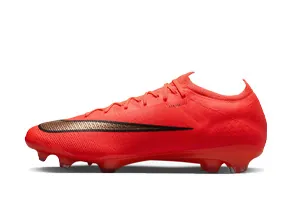 Mercurial Vapor 17
|
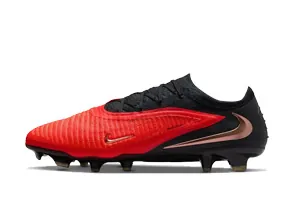 Phantom 6
|
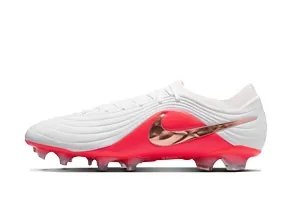 Tiempo Maestro
|
|
|---|---|---|---|
| Upper technology | Atomknit: lightweight, barefoot connection | Gripknit: enhanced control and touch consistency | TechLeather: natural touch and comfort |
| Best for | Explosive acceleration, 1v1 attacks, creating separation | Receiving under pressure, turning, combination play | Tempo control, natural touch, all-round comfort |
| Fit width | Narrow-Medium | Medium-Wide | Wide |
| Ball feel | Direct: barefoot sensation | Enhanced: Gripknit adds friction | Natural: leather-like touch |
| Soleplate | FlyLite: acceleration, agility and ground connection | Cyclone 360: rotation and multidirectional agility | Maestro360: comfort and stability over 90 minutes |
| Choose if | You create danger before the ball arrives | You create danger once you receive and manipulate the ball | You control games through touch and rhythm |
Read the full comparison breakdowns
Vapor 17 vs Phantom 6
These two boots represent two different approaches to attacking football. The Vapor 17 is about creating separation before the defender can react. The Phantom 6 is about controlling the moment after the ball arrives.
The Vapor feels faster and more aggressive, built around acceleration, explosive changes of direction and 1v1 situations. The Phantom feels more controlled, with Gripknit helping players receive, turn and manipulate the ball under pressure.
The deciding question is simple: do you win your battles by creating space, or by controlling the ball in tight areas? The Vapor rewards the first player. The Phantom rewards the second.
Vapor 17 vs Tiempo Maestro
Both boots provide excellent connection with the ball, but their philosophies are completely different. The Vapor removes material to maximise speed and responsiveness, while the Tiempo focuses on comfort, touch and a more traditional football feel.
The Vapor is built for explosive attackers who want every movement to feel sharp and immediate. The Tiempo suits players who value consistency, comfort and control throughout ninety minutes.


Final Vapor 17 Verdict
Nike Mercurial Vapor 17 — FootballBoots Verdict
Buy It If
- You beat defenders through acceleration and 1v1 ability
- You want the most direct ball feel possible
- You play as a winger, forward or attacking full-back
- You value explosive first steps and sharp changes of direction
- You want a lightweight boot that disappears on your foot
Avoid It If
- You rely heavily on hold-up play and physical battles
- You have very wide feet and dislike a snug fit
- You prefer a padded or cushioned boot feel
- You want extra technology focused on shooting and passing
- You prefer comfort over responsiveness
Read the full final verdict
The Mercurial Vapor 17 is a football boot with a very clear identity. It doesn’t try to be the most comfortable boot. It doesn’t try to maximise shooting power. It doesn’t try to provide the most supportive platform. Instead, everything is built around one idea: creating separation.
The Atomknit upper and FlyLite soleplate work together to create a boot that feels incredibly direct. Touches feel immediate. Movements feel sharp. Explosive actions feel more natural. Whether you’re attacking a full-back, chasing a through ball or pressing from the front, the Vapor 17 is designed around those decisive moments.
The beauty of the Vapor is that it doesn’t add complexity. There is no need to adapt your technique to the boot. The thin upper simply gives you a closer connection to the ball, while the anatomical chevron stud layout and FlyLite soleplate provide the traction needed to turn intent into movement.
Compared to previous Mercurials, the Vapor 17 feels like a more refined version of the same philosophy. It maintains the explosive character that made the silo famous while improving comfort, lockdown and overall usability.
It is not the perfect boot for every player. A midfielder who spends most of the game receiving under pressure may prefer the Phantom. A striker who wants maximum shooting assistance may prefer the Predator. A player looking for comfort over ninety minutes may prefer the Tiempo.
But if your game is about beating opponents, attacking space and making defenders react, few boots communicate that purpose better than the Mercurial Vapor 17. It doesn’t help you control the game from deep. It helps you change the game when the opportunity appears.
Nike Vapor 17 Elite vs Pro vs Academy vs Club
Full AtomKnit upper with the complete Vapor 17 Flyplate speed platform. This is the definitive Mercurial experience: lightweight, aggressive and built for players who create separation through explosive acceleration.
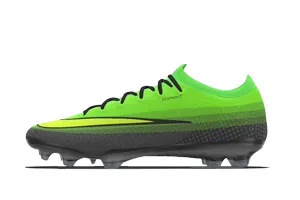
Why choose the Elite?
Full Atomknit upper
The Vapor 17 Elite uses Nike’s latest Atomknit construction to create an extremely lightweight, close-to-foot feel. The thinner upper keeps you connected to the ball while providing the secure lockdown needed for explosive acceleration and changes of direction.
Flylite soleplate
The Vapor 17 Elite features Nike’s Flylite soleplate, designed around speed, responsiveness and natural ground feel. The lightweight plate provides aggressive traction for explosive take-offs while maintaining flexibility through the forefoot for quick changes of direction.
Who notices the difference
Players who rely on acceleration, explosive movement and attacking space will notice the Elite advantage most. Wingers, forwards and attacking full-backs who make repeated sprints, sharp cuts and separation runs benefit from the lightweight construction and responsive soleplate.
Who won’t
Players who prioritise comfort, maximum touch cushioning or a roomier fit may not need the Elite tier. Casual players or those who do not rely on speed-based actions will find the Pro and lower tiers offer better value while keeping the core Vapor 17 shape and speed-focused design.
Changed to Flyknit and a more structured midfoot on the tooling.


Why choose the Vapor 17 Pro?
The best balance of speed and value
The Vapor 17 Pro keeps the core characteristics that define the Elite model: a lightweight feel, aggressive speed profile and the responsive Flylite soleplate. It removes some premium material refinements but keeps the performance DNA that makes the Vapor 17 such a popular choice for explosive players.
Same speed-focused design
The Vapor 17 Pro is built around the same philosophy as the Elite: helping players accelerate, separate from defenders and attack space quickly. The fit, lockdown and traction remain focused on speed rather than comfort or maximum touch cushioning.
Who notices the difference
Players who train and compete regularly but don’t require the absolute lightest materials will find the Pro offers the best value. Wingers, forwards and attacking full-backs who rely on explosive runs will still get the quick, aggressive feel expected from the Vapor silo.
Who should upgrade to Elite
Players chasing the most premium Vapor 17 experience will notice the difference in materials, refinement and overall weight. If every advantage matters and you play at a high competitive level, the Elite remains the complete version of the boot.
NikeSkin mesh upper. Multiground by default.


Why choose the Vapor 17 Academy?
Vapor speed at a lower price
The Vapor 17 Academy keeps the lightweight, speed-focused shape of the higher tiers while offering a more affordable entry point into Nike’s fastest silo. It is designed for players who want the Mercurial feel without paying Elite-level prices.
More accessible performance
The Academy uses a simplified upper and soleplate construction compared to the Elite and Pro, but maintains the close-to-foot fit and aggressive traction profile that defines the Vapor 17. It delivers the key characteristics of the boot: speed, acceleration and quick changes of direction.
Who it suits
Younger players, developing footballers and recreational players who want a lightweight speed boot will find the Academy a strong option. It works particularly well for wingers, forwards and attacking players who rely on explosive movement.
Who should look at Pro instead
Players competing regularly who want a more premium touch, better lockdown and a closer Elite-level experience should consider moving up to the Vapor 17 Pro. The Pro offers a more refined feel for players who spend more time training and playing at higher intensity.
Thicker trophy synthetic upper from Nike. Standard soleplate. A generic Nike boot with the looks of Vapor.


Why choose the Club?
Basic synthetic upper
The Club uses a thicker synthetic construction with basic surface texturing. It even has a feel of a common sneaker footwear, just with studs.
Who it suits
Entry-level players, juniors on a tight budget and casual five-a-side players. If the priority is a boot that fits a wider foot at low cost, the Club is the most accessible as far as the Vapor 17 is concerned.
Who should look elsewhere
Possibly growing children. For regular recreational play, the Academy represents a better long-term investment.
Vapor 17 FAQs:
| Question | Answer |
|---|---|
| Is the Mercurial Vapor 17 better than the Phantom 6? | Neither is objectively better. The Vapor 17 excels at explosive acceleration, 1v1 dribbling, attacking space and creating separation. The Phantom 6 is stronger for receiving under pressure, controlling the ball and combination play. The better boot depends on whether your advantage comes before receiving the ball or after. |
| Does Atomknit provide grip on the ball? | No. Unlike Gripknit on the Phantom 6, Atomknit is designed to maximise barefoot sensation rather than friction. Its ultra-thin construction creates a direct connection with the ball, prioritising responsiveness over added grip. |
| Does the Vapor 17 run true to size? | Yes. The Vapor 17 generally fits true to size with a snug, performance-oriented shape. Players between sizes should choose based on how much lockdown they prefer, as the Mercurial is designed to wrap closely around the foot. |
| Is the Mercurial Vapor 17 good for wide feet? | Only to a point. The Atomknit upper is more forgiving than previous Mercurials, but the boot still follows a tapered speed-boot profile. Medium-width feet should fit comfortably, while genuinely wide feet may experience pressure through the forefoot and midfoot. |
| Who wears the Mercurial Vapor 17? | The Vapor 17 is worn by explosive attackers such as Vinícius Jr. and Lauren James. It is designed for players who create danger through acceleration, direct dribbling and attacking open space. |
| How does the Vapor 17 compare to previous Mercurials? | The Vapor 17 refines the classic Mercurial formula. Atomknit delivers a softer and more comfortable barefoot feel, while the FlyLite soleplate improves responsiveness and agility. It remains an aggressive speed boot but is more accommodating than many earlier Mercurial generations. |
| Is the Vapor 17 Elite worth it over the Pro? | Yes, if you want the complete Mercurial experience. The Elite features the premium Atomknit upper, the lightest construction and the highest-quality materials. The Pro retains the same overall speed-focused philosophy but cannot fully match the Elite's lightweight, barefoot sensation. |
| What type of player is the Vapor 17 best for? | The Vapor 17 is best suited to explosive wingers, forwards, attacking full-backs and transition-focused players. If your game revolves around beating defenders, making sharp directional changes and attacking space, it plays directly to those strengths. |
How The Vapor Has Changed
The Vapor 17 is the most deliberately minimal Mercurial Nike has made since the Vaporposite era. Whether that is the right direction depends entirely on what you are looking for. For players who missed the raw, minimalist Vapors of previous generations, the Vapor 17 feels less like a redesign and more like a return.


The Vapor XI marked the final generation where the Mercurial Vapor and Superfly were genuinely different boots, pairing a Teijin synthetic upper with Speed Ribs while the Superfly retained its Flyknit collar and construction, a split not seen again until the Superfly 11 and Vapor 17.


The Vapor XII introduced the 360 Flyknit upper and one-piece construction, bringing the Vapor and Superfly onto the same platform with the collar becoming the primary difference.


The Vapor XIII refined the 360 Flyknit concept with a softer, more anatomical fit and the return of the Aerotrak split soleplate for greater responsiveness.


The Vapor XIV focused on reducing weight and enhancing lockdown with a redesigned Vaporposite upper and a more streamlined speed chassis.


The Vapor XV introduced the first 3/4-length, football-specific Zoom Air unit, adding a new dimension of responsive propulsion to the Mercurial's speed-focused identity.


